Agency growth often becomes difficult when fulfillment work starts taking more time than strategy, communication, and client retention. Many agencies want to expand services and manage larger client portfolios, but internal teams usually reach capacity faster than expected.
That pressure affects timelines, reporting quality, and operational consistency. Outsourcing has become a larger part of long-term agency planning because scalable support systems allow agencies to grow without overstretching internal departments.
What Agencies Should Look for in a White Label Marketing Partner
Choosing external support affects much more than campaign production alone. The right fulfillment partnership can shape workflow efficiency, client retention, scalability, and operational stability across the entire agency structure.
Look for Scalable Service Capabilities
Many agencies start outsourcing because workloads increase faster than internal teams can manage comfortably. A small support system may work initially, but growth often exposes limitations quickly.
Scalability matters because agency demand rarely stays predictable for long. One quarter may involve a few new campaigns, while another may bring larger accounts, broader SEO demands, and tighter delivery schedules all at once.
A reliable white-label marketing partner should support growth without creating operational instability during expansion phases. Agencies benefit more from fulfillment systems that adapt alongside increasing production needs instead of forcing constant workflow restructuring.
Broader service support also matters. Agencies managing SEO, content, technical optimization, reporting, and AI-focused visibility often need partners capable of supporting multiple campaign areas together. Isolated support structures usually create communication gaps between departments, which slows fulfillment over time.
Growth becomes much easier when production systems remain flexible and scalable from the beginning.
Evaluate Communication and Workflow Structure
Operational problems often begin with communication issues rather than fulfillment quality itself.
Delayed responses, unclear timelines, inconsistent reporting, or disorganized workflows create friction across campaigns quickly. Agencies managing multiple clients need dependable production systems because even small workflow disruptions can affect delivery consistency and client confidence.
A stable fulfillment structure usually feels predictable. Teams understand deadlines clearly. Reporting remains organized. Campaign updates move through defined workflows instead of scattered communication channels. This becomes more important as client portfolios grow larger.
Enterprise campaigns often involve multiple approvals, technical implementation stages, content production timelines, and reporting schedules operating simultaneously. Weak communication systems create confusion quickly inside these environments.
Assess Experience Across Different SEO Needs
SEO campaigns have become broader and more layered over the last few years. Agencies now manage technical SEO, content strategy, AI-focused optimization, reporting systems, local SEO, and authority-building efforts together across many accounts.
A fulfillment provider with narrow service capabilities may struggle to support long-term agency growth effectively.
That is why many agencies evaluate operational range before choosing a support system. A capable white-label SEO agency usually understands how different SEO areas connect operationally across larger campaigns.
Industry experience also matters because client expectations vary heavily between markets. Healthcare SEO, local service campaigns, enterprise websites, and eCommerce projects often require different production structures and optimization priorities.
Agencies often benefit from fulfillment partners that adapt workflows based on campaign demands instead of applying identical systems across every client. That flexibility supports stronger operational consistency over time.
Flexibility Matters More Than Fixed Systems
Rigid fulfillment structures create problems as agencies grow. Some agencies need long-term support across ongoing campaigns. Others only need temporary production help during rapid growth periods or high-volume client onboarding phases.
Flexible partnerships allow agencies to adjust support levels more naturally based on changing operational demands. Search behavior also changes constantly.
AI-generated search experiences, evolving content structures, and changing ranking signals continue to reshape SEO workflows. Agencies relying on fixed production systems may struggle to adapt quickly enough when search environments shift.
Flexible fulfillment systems create more operational breathing room because agencies can scale services or adjust workflows without rebuilding entire production structures internally. That adaptability often supports stronger long-term growth.
Review Reporting and Transparency Standards
Clients expect visibility into campaign progress now more than ever before. They want organized reporting, measurable outcomes, and consistent updates tied to performance trends. Weak reporting often damages client confidence quickly, even when campaign results remain relatively stable.
Agencies outsourcing fulfillment need reporting systems that remain structured and transparent across all stages of production.
Clear communication around timelines, deliverables, revisions, and performance updates creates stronger operational trust between agencies and clients. It also reduces confusion internally because teams spend less time correcting reporting inconsistencies or clarifying workflow gaps.
Transparency supports retention because clients feel more connected to campaign progress over longer periods.
Long-Term Operational Fit Is More Important Than Pricing Alone
Pricing matters, but long-term operational alignment usually affects agency growth more heavily than short-term savings.
A lower-cost provider may still create workflow instability, delayed communication, or inconsistent production quality that eventually affects profitability and retention. Agencies often spend more time correcting operational issues than benefiting from reduced fulfillment costs.
Strong partnerships improve efficiency steadily over time. Reliable workflows, scalable production systems, and stable communication structures help agencies manage growth more comfortably without overwhelming internal teams.
This becomes especially important as agencies continue adapting to broader SEO demands connected to AI-focused search visibility and evolving content expectations.
How We Support Agencies Through Scalable Marketing Fulfillment
At Umbrella, we work with agencies looking for scalable fulfillment systems designed to support long-term operational growth. Many agencies eventually reach a stage where client demand increases faster than internal production capacity, and that imbalance can create pressure across reporting, communication, timelines, and workflow management.
We provide SEO fulfillment support, automation systems, operational workflows, and lead generation solutions built specifically for agencies. Our focus is on helping agencies manage growing workloads more efficiently while maintaining consistency across campaigns.
Flexibility also plays a major role in how agencies approach fulfillment partnerships today. Some agencies need ongoing support across larger account portfolios, while others require temporary production assistance during periods of rapid expansion or increased campaign demand.
As more agencies continue relying on outsourced marketing services, scalable fulfillment systems have become increasingly important for maintaining operational stability without aggressively expanding internal departments.
FAQs
What is a white-label marketing partner?
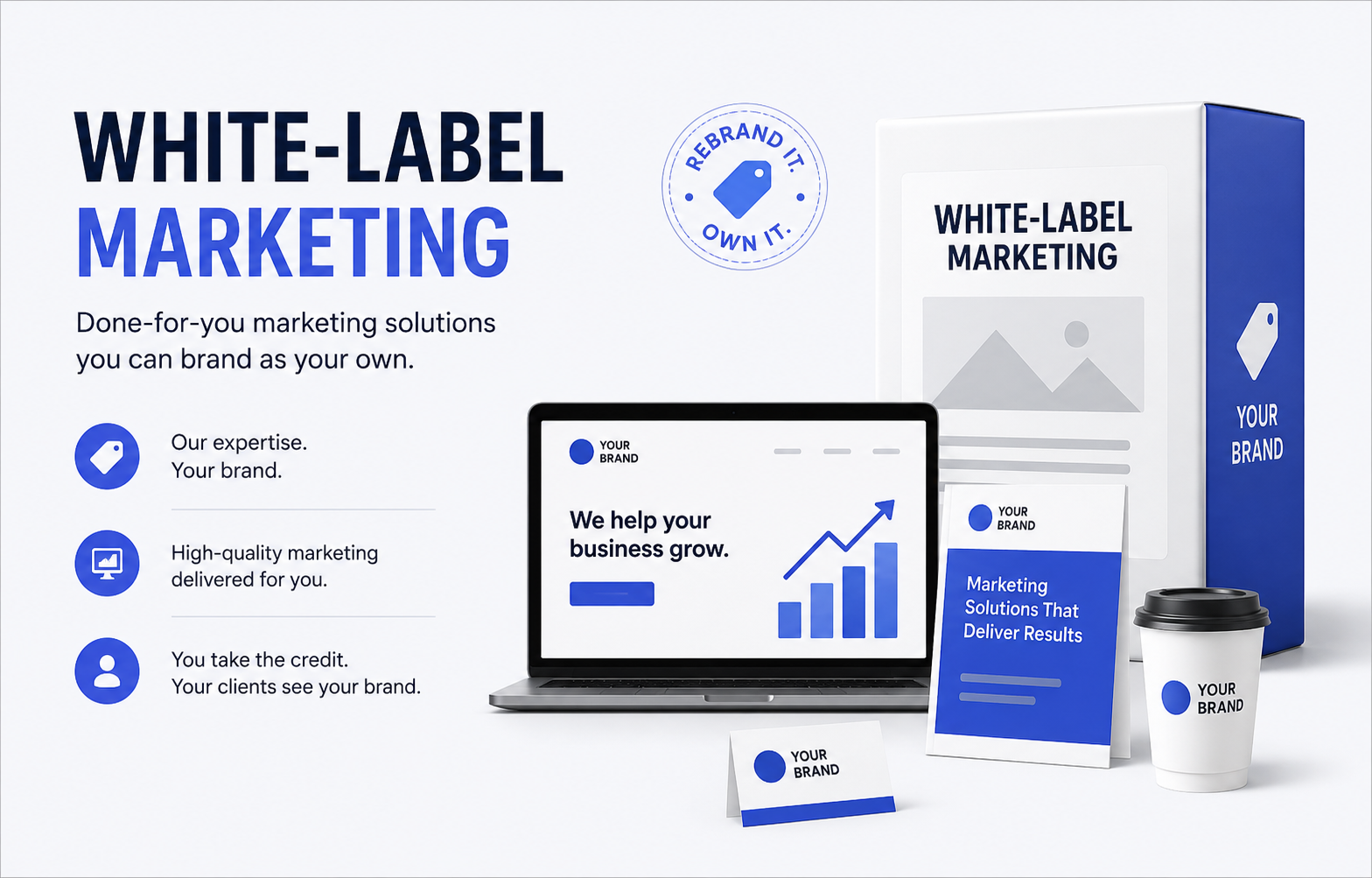
A white-label marketing partner provides fulfillment services that agencies can deliver under their own branding.
Why do agencies use outsourced marketing services?
Agencies use outsourced support to improve scalability, reduce operational pressure, and manage larger workloads more efficiently.
What should agencies evaluate before choosing a fulfillment partner?
Agencies should review workflow consistency, communication quality, reporting systems, scalability, and operational flexibility before choosing a provider.
How does a white-label SEO agency support agency growth?
A white-label SEO agency helps agencies expand production capacity without rapidly increasing internal staffing or operational overhead.
Why does scalability matter in fulfillment partnerships?
Scalable fulfillment systems allow agencies to manage growing client demand while maintaining workflow consistency and operational stability across campaigns.
Share This Article


Subscribe to our newsletter
Subscribe to The Marketing Umbrella Podcast
Where we interview leading experts on ways to build and grow your business


Get a FREE copy of this top seller book - BUILDING THE ULTIMATE MARKETING AGENCY
Get the strategies and practical tactics from the world’s leading marketers, to grow your agency without breaking the bank!