Marketing did not simply change in 2025. It matured into a system built on automation, structured inputs, and strategic oversight. Instant Creative Ads, Google’s expanded AI Mode, and the mainstream arrival of autonomous agents pushed the industry into a new operational era. Every major platform introduced tools that accelerated production, testing, and delivery, forcing agencies to modernize how they work and how they guide creative decisions.
For many teams, this shift unlocked enormous efficiency. For others, it revealed gaps in process, structure, and creative direction. Across all these changes, one truth kept resurfacing: agencies that paired automation with strong human insight gained the greatest advantage.
The Provocation
For years, agencies believed that producing more assets was the path to performance. More variations meant more tests, and more tests meant more learning. But 2025 overturned that assumption. When platforms can generate hundreds of creative variations from a single prompt, volume stops being an advantage and begins to lose meaning.
The new advantage is direction. AI scales creative thinking, but it cannot originate meaning. The agencies that stood out this year were the ones who defined guardrails, tone, and strategic criteria before automation began. Instead of producing more, they produced clearer instructions. Creativity became less about output and more about intentionality.
What Platforms See vs. What Agencies Know
Tech companies framed 2025 as a breakthrough year for AI-driven creative performance. Meta reported engagement lifts of up to 28 percent among brands using dynamic AI visuals (source). Google emphasized faster responses and conversational search behavior after expanding AI Mode globally (source). TikTok highlighted reduced creative production time and faster testing cycles.
Agencies, however, saw something platforms did not emphasize. Automation can optimize metrics, but it cannot interpret tone or emotional accuracy. Without human oversight, AI outputs often appeared visually polished yet feelingly off-brand. Platforms measure clicks. Agencies measure trust, positioning, and long-term value. This reality pushed more teams to develop prompt libraries, brand-safe visual kits, and structured review processes to keep AI outputs consistent and meaningful.
Where It’s Already Changing Agency Workflows
Automation began reshaping the daily operations of agencies months before the industry recognized the pattern. Creative briefs expanded to include prompt instructions, tone boundaries, and approved asset libraries. Designers shifted into hybrid roles that combined visual thinking with prompt architecture. Campaign managers spent more time auditing AI-generated variations, validating platform recommendations, and coordinating with compliance teams to ensure automated outputs met brand and regulatory standards.
AI agents also entered workflows as early-stage collaborators. They drafted initial variations, summarized research, and analyzed performance trends, freeing teams to focus on higher-value decisions. According to Marketing Dive, early adopters reduced design time by 90 percent, but many also reported an increased need for QA cycles to maintain brand consistency (source). The industry discovered that automation does not eliminate work. It changes its nature and increases the need for structured oversight.
Why Human Creative Direction Still Wins
Even as automation accelerated, human insight remained the decisive factor behind effective campaigns. AI can generate endless options, but it cannot determine which execution reflects a brand’s emotional truth or resonates with an audience’s expectations. The campaigns that succeeded this year were driven by human clarity and refined through AI scale. Marketers treated prompts like copywriting and saw AI as a collaborator rather than a replacement, demonstrating that automation amplifies strategic direction but cannot define it.
The Opportunity Ahead
The year opened a new service category for agencies: structuring automation. AI Creative Calibration emerged as a high-value offering that helped clients refine prompts, build AI-ready asset kits, and ensure brand safety across automated outputs. Agencies expanded into oversight layers that clients immediately understood the value of, including automated creative monitoring, prompt governance systems, and zero-party data strategies that supported personalization without sacrificing trust.
For agencies willing to lead this shift, the opportunity was clear. Those who combined automation with process discipline and human insight strengthened margins, improved output quality, and set themselves apart as modern strategic partners.
Compliance and Risk Still Matter
Regulatory attention intensified in 2025. The FTC reiterated that AI-generated content must still comply with truth-in-advertising standards, which increased the need for documented prompts, version tracking, and clear review protocols (source). Agencies found that automation required not only creativity but governance. Accountability moved from a best practice to a structural necessity.
Human Insight Remains the Edge
Across conferences, webinars, and leadership discussions, one conclusion repeated itself: AI accelerates creation, but human intelligence drives persuasion. Automation can scale and iterate, but it cannot interpret cultural nuance, emotional tone, or narrative truth. Technology delivers speed. Humans deliver meaning. The agencies that embraced both gained the strongest position.
How Umbrella Supports This Shift
At Umbrella Micro Enterprises, we help agencies adopt automation with confidence. Our fulfillment systems and creative QA combine AI-powered production tools with human oversight to ensure every output aligns with brand tone, client goals, and compliance standards. From prompt-ready asset libraries to scalable workflow systems, we support agencies in building the infrastructure needed to thrive in this new era of marketing automation.
AI accelerated marketing in 2025. With the right tools and the right structure, agencies can accelerate with it.
Share This Article


Subscribe to our newsletter
Subscribe to The Marketing Umbrella Podcast
Where we interview leading experts on ways to build and grow your business


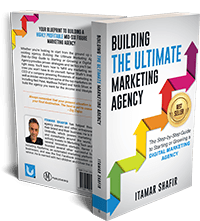
Get a FREE copy of this top seller book - BUILDING THE ULTIMATE MARKETING AGENCY
Get the strategies and practical tactics from the world’s leading marketers, to grow your agency without breaking the bank!